
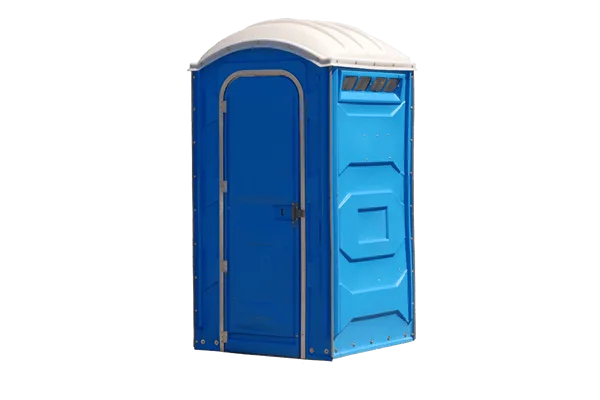
Know what the category describes
Start by matching the basic toilet function to the people and property. A standard portable cabin may solve the missing-bathroom problem without building plumbing, but washing, access and continuing care still need their own answers.
The ordinary cabin contains a toilet and a holding tank that the provider services. The exact seat, urinal, ventilation, sanitizer and other fittings depend on the offered equipment. Ask for that specification if a feature is important. Do not treat a photograph as a promise that the same model will arrive.
A standard unit is different from a flushable cabin, a cabin with a built-in sink and a restroom trailer. Decide which function is needed before choosing an upgrade. Separate handwashing may be appropriate alongside basic toilets, and accessible facilities need to be considered for the actual users.
Check the route people will actually use
Walk the proposed approach from the work or event area. Describe steps, gates, uneven surfaces and the space at the door. A unit placed out of sight may be awkward for visitors to find; a position beside a busy entrance may create conflicts during breaks.
Give the provider the available placement area and access information. The cabin footprint is only part of the assessment: delivery, cleaning and removal need workable approaches too. If the position depends on public space or a managed loading area, settle permission with the responsible party before booking.
Size the arrangement around use and upkeep
Include the number of users, their hours, shared breaks and any permanent restrooms that will remain available to them. Explain whether the use is a short gathering or continuing work. A category name alone cannot establish a suitable quantity or servicing interval.
Agree waste removal, cabin cleaning and replenishment of toilet supplies. Appoint someone to report low stock or an unusable unit between visits. Sanitizer in a cabin does not settle a separate handwashing requirement, and the customer should not attempt tank emptying or improvised repairs.
Compare the hire through its final visit
Ask the quote to identify the cabin type and quantity, rental period, delivery, routine service and pickup. Check how additional use, an extension or a blocked service visit would be handled. Compare those items together instead of deciding from an isolated rental charge.
Confirm who receives the delivery and how collection is requested. Keep the route open after the main activity finishes, particularly if scaffolding, bins or stored materials are added later. Discuss a position change before anyone attempts to relocate the equipment.
Questions before you book
Does a basic cabin need a sewer connection?
A standard self-contained cabin holds waste for provider servicing. Confirm the actual proposed unit and care arrangements; other formats may have different connection requirements.
Can a standard unit replace an accessible facility?
Do not infer accessibility from the general category. Describe the users’ needs and request an appropriate equipment specification and usable route as part of the complete layout.