
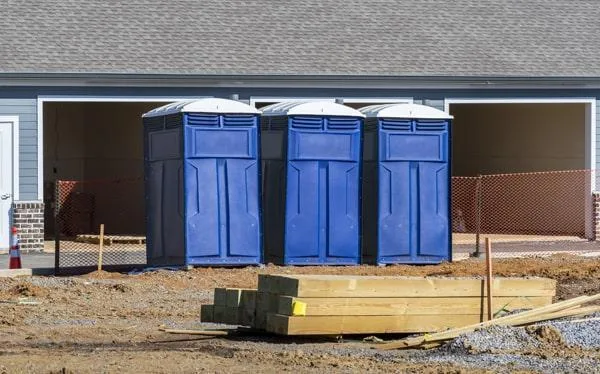
Follow the worker route through each shift
A toilet may stay in the same position while the people who can reach it change. Shift patterns, locked entrances and temporary partitions can make a suitable initial arrangement unusable later. Plan worker access and provider entry as separate parts of the site’s operating day.
Identify the work areas, breaks and entrances available to each crew. If an evening team enters through a different gate, check that it can reach the toilets and washing facilities without passing through a closed area. Include visiting subcontractors who will rely on the same arrangement.
Select the equipment around those users. Standard cabins provide the basic toilet function; washing, accessible facilities and requested upgrades need explicit consideration. A larger order beside the wrong entrance does not solve an access problem.
Give service visits an entry procedure
The route used by pedestrians may differ from the route needed for waste servicing and collection. Tell the provider about the gate, receiving process, restrictions and contact responsible for entry. Do not assume the contact present on delivery day will be onsite for every later visit.
As a practical example, a site office may close before the later shift begins. Workers can still enter through their authorised gate while a service vehicle needs someone to open a separate entrance. Resolve both arrangements before relying on a continuing care schedule.
Make changes visible before they block facilities
Share upcoming changes to fencing, pedestrian routes or work hours with the rental team. Keep the agreed door and service areas clear of materials. If the cabin position must change, request a provider review of the new location and handling instead of moving a loaded unit with site equipment.
Appoint a site contact to report damage, low supplies or a blocked approach. Routine cleaning and tank servicing should be agreed with the provider; between-visit checks help identify a problem but do not replace that work.
Keep the rental through the actual last use
Give the expected project period and describe how shifts may change. When permanent bathrooms become available, confirm who can use them before releasing the temporary facilities. A completed room is not necessarily open to every contractor still onsite.
Review extensions, extra visits and collection instructions in the quote. Arrange pickup around the remaining access window and handback responsibilities, with a contact authorised to receive the provider.
Questions before you book
Do night shifts need a separate discussion?
Yes. Explain their entrance, hours, route, available lighting and bathroom access. A daytime arrangement may not remain usable after gates or buildings close.
Can the site team move a cabin when the work area changes?
Contact the provider first. Handling, tank condition, the revised position and future service access need review before relocation.