
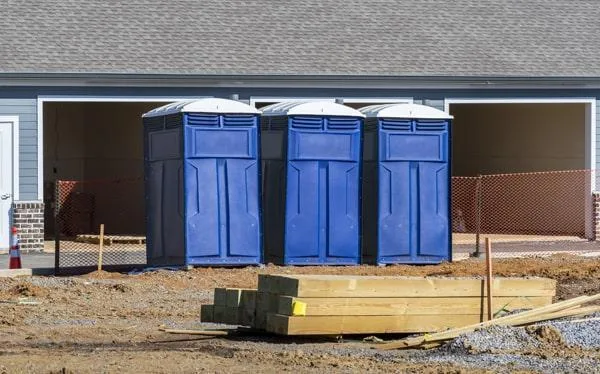
Map facilities against the working day
The first delivery should fit the current phase and leave a clear process for the next one. Put the working arrangements into the enquiry before choosing the number or format of toilets.
Identify the workers on each shift, overlapping trades and the timing of breaks. Establish which building bathrooms the crew is permitted to use and whether those facilities stay open during the work. A restroom elsewhere in the building is not useful if access is restricted.
Discuss ordinary cabins, washing facilities and any functional access needs together. If equipment will serve different work zones, describe how workers reach it. The employer and project team remain responsible for applicable site requirements; a rental category is not a complete welfare or compliance assessment.
Separate arrival instructions from continuing access
Supply the receiving contact, usable entrance, delivery window restrictions and any check-in requirements. Say which details have been agreed with building management and which remain tentative. Share private access instructions directly through the agreed channel, not in public site descriptions.
Then plan the repeat visits. A service route needs to remain available when scaffolding, material storage and contractor parking change. Compare possible positions by worker access and provider reach; do not choose a concealed corner solely because it is outside the main work area.
Record the care work and change triggers
Ask which waste service, cleaning and consumables are included, and who reports a supply shortage or service problem. Usage can change as more trades arrive. Give the provider new headcounts and hours early enough to discuss revised equipment or care.
Agree how extensions and moves are requested. A cabin should not be shifted by a site crew without the provider’s arrangement. If the working area closes, keep a responsible contact available so collection does not depend on someone who has already left the project.
Keep the quote tied to the actual phase
Review the equipment type and quantity, placement information, rental period, delivery, care and collection. Highlight uncertain completion dates and any restricted access that affects visits. Ask how an added unit or additional visit would be agreed rather than assuming the initial scope includes it.
If debris removal is needed, give the container a separate materials and operating-space brief. Coordinate arrivals so a roll-off exchange cannot trap a toilet behind stored waste or block the route used for servicing.
Questions before you book
Should I order for the final crew size immediately?
Describe both the current use and expected changes. Discuss a phased arrangement with the provider rather than assuming the first equipment mix must stay unchanged.
What if the service entrance changes?
Tell the provider and agree the revised approach before a visit. New gates, storage or access rules can affect whether the existing position remains workable.